
Salvador Bahia Brazil is amazing. The culture, the food, the people are absolutely mind-blowing. Where has this country been all my life?
I visited Brazil to attend a conference entitled Empowering Courage: Black Women and Girls Lives Matter. It was the bi-annual conference of the Daughters of the African Atlantic Fund. This is the second conference that I have attended. I was introduced to this group by Rev. Dr. Beverly Wallace an old friend. In 2014, the organizers wanted to have a woman from my region of responsibility in Africa in attendance; I was able to help that happen and attend their conference in Ghana.
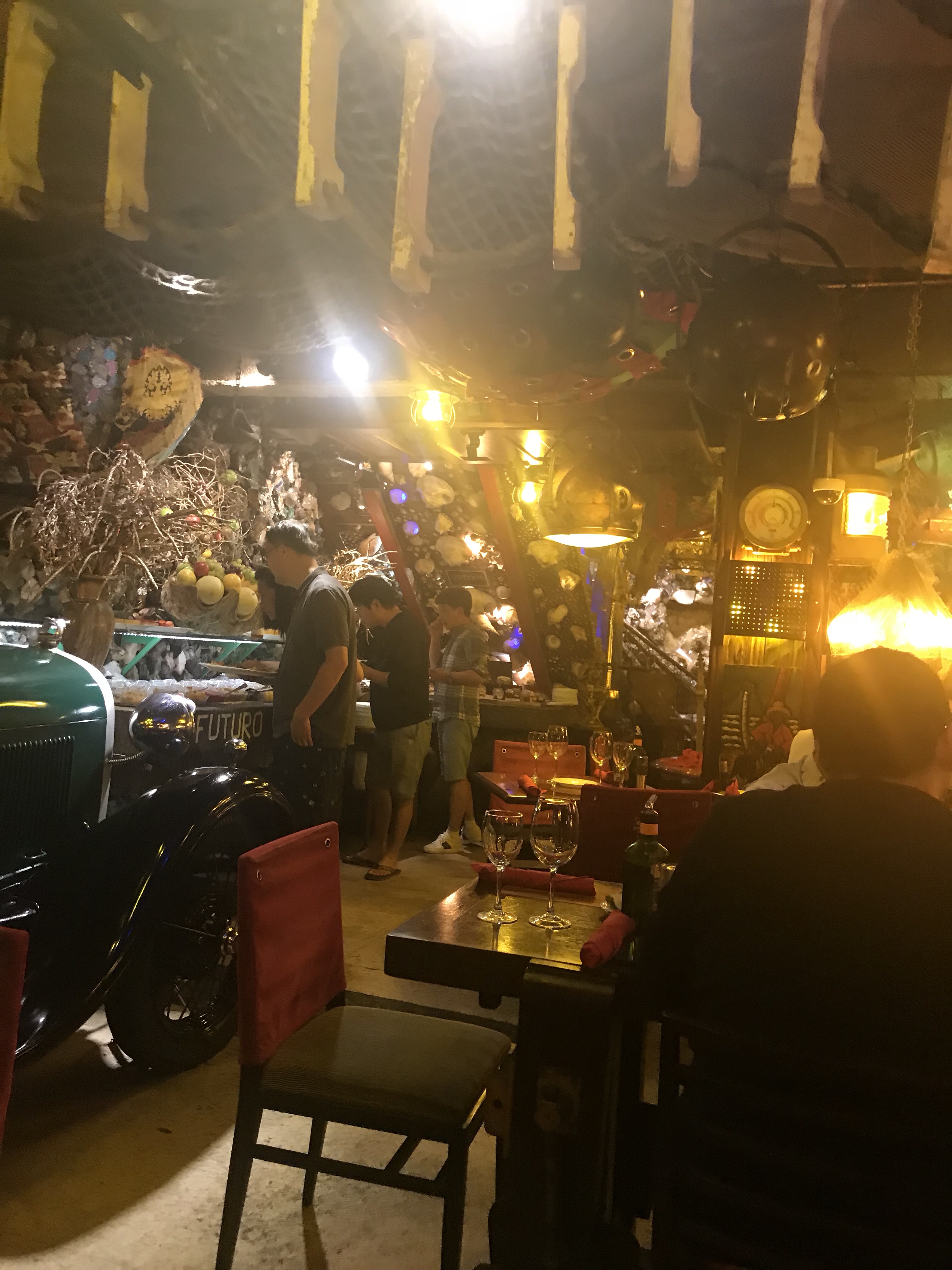
This time I was able to attend with Tammy Jackson a colleague from ELCA/Global Mission. We started in Rio de Janeiro and were able to have a typical Brazilian meal at a fun touristy restaurant.
But that’s not the point of this blog.
What I wanted to tell you is what I learned: First, Brazil was colonized by the Portuguese around 1550. The Portuguese discovered that the country was beautiful and full of resources. The first explorers were all male; they began to mix and marry with the indigenous population. When they decided to stay, build sugar cane plantations and occupy the land; they needed workers. The Portuguese attempted to push the indigenous population into forced labor, (same story, different continent) but they could escape. So, the Portuguese began to bring captured Africans to work their plantations and to build the country.
This South American country was the largest recipient of enslaved Africans during the Transatlantic slave trade. As a result Brazil has the most people of African descent outside of Africa.
When slavery was abolished in 1888, (notice this is well over 20 years later than other places) they became fearful of the African population because Africans in some places out numbered the European population. They had heard about the revolt in Haiti and didn’t want to suffer the same fate. So a plan was hatched… the whitening of Brazil.
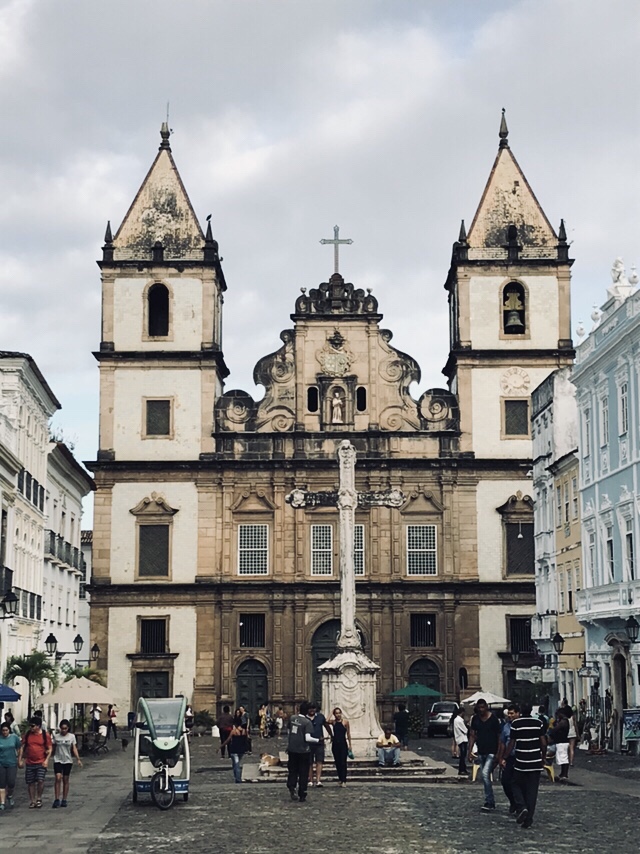
Like in other Latin American countries those who colonized thought that if they paid European Immigrants to come and settle, gave them land and made it easy, they would begin to mix with Africans and the African population in a few generations would be “better” or extinct.
They believed that those of darker hues should aspire to whiteness and all the culture and traditions that came with being European or white. . . Yet!
What I saw in Salvador, Bahia was a community of descendants of Africans that has held tight to traditions. These traditions arrived on slave ships from Africa.
I heard stories of the transmission of Yoruba and Angola languages from grandmothers who had been enslaved, to daughters and granddaughters, so that much of their African cultural was preserved.
During the conference there were examples of drumming and dancing and religious rituals that helped this community of African descendants keep going even in the midst of oppression that continues today.
Condomble , which literally means “dance in honor of the gods,” is practiced widely in Bahia. We were able to attend a ceremony during the conference, where we witnessed the adoration of the Orishas.
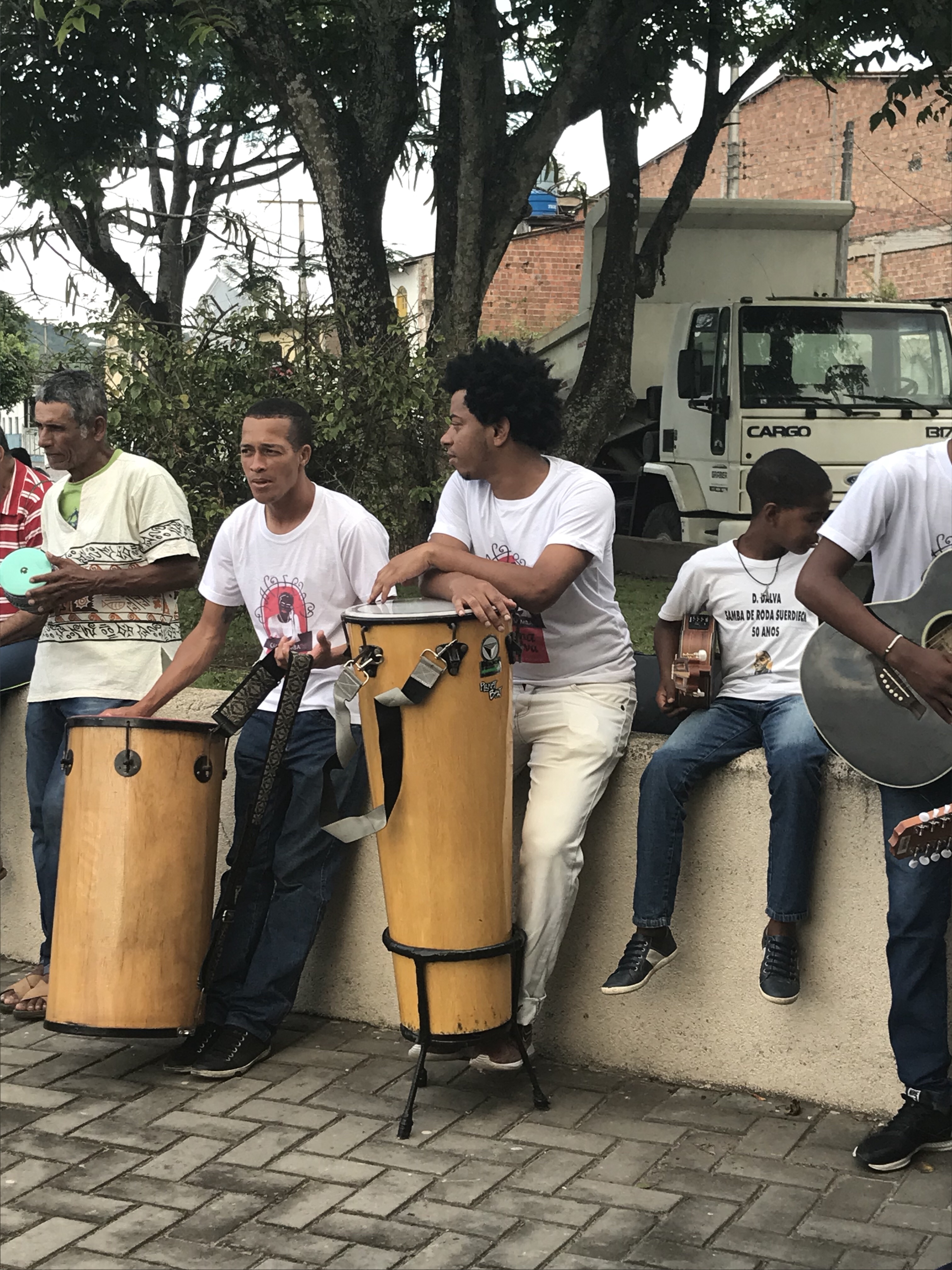
It was clear that African culture was honored and maintained in this place.
Those we met at this conference spoke of the struggles and the joys of life in Brazil. They spoke of their activism and the work to preserve this culture. They all were proud to be Afro-Brazilian!
And I was proud to be of African Descent visiting Brazil.
 On Being Beige